What we look for

Why can't your body relax, even when you're tired?

How much of this sounds like you?

If 5 or more feel familiar, stress, irritability, and difficulty relaxing may be linked to a deeper pattern, not just everyday tension.

Why your body stays wound up

Why can't your body properly relax?

Difficulty relaxing can show up as tight shoulders, a wired feeling at night, frequent sighing, jaw tension, shallow breathing, irritability, and a sense that your body never fully comes back down. In Traditional Chinese Medicine, this is often seen as a pattern issue rather than stress alone.

When Yin and Blood are too depleted to anchor the mind well, or when Qi becomes knotted by stress, the body loses its capacity for stillness.

That is why stress can feel physical, not just mental. The muscles stay tight, the chest or throat can feel restricted, the mind keeps circling, and the whole system feels unable to come down. At RootCare, we look at whether the issue is more about constraint, heat, depletion, or a combination of all three.

If you want the broader overview first, start with our guide to Qi Stagnation symptoms and how different stagnation patterns can feel in daily life.

What people actually say

What stress-irritability often feels like in daily life

People rarely describe this state as simple stress. More often, they describe feeling tightly wound, overly reactive, physically braced, or emotionally raw in a way that affects how they speak, digest, sleep, and relate to the people around them.

"If someone even brushes against me, I feel like I might explode."

"Things I used to brush off now irritate me so easily."

"My mind feels so sharp that I keep snapping at the kids."

"I feel full of resentment and it just keeps simmering underneath."

"I keep judging everything and everyone and I cannot settle."

"Small sounds make me jump and my chest starts pounding."

"I feel overloaded and I do not even know how to handle it anymore."
When it flares

Premenstrual window

For some women, the week before the period is the most reactive time. Pressure, breast tension, mood sensitivity, and irritability can all rise together.

When it flares

Right after work stress

Conflict, criticism, deadlines, or emotional suppression can leave the face hot, the chest tight, and the body much more reactive for hours afterwards.

When it flares

At meals

If you eat while angry, rushed, or under pressure, the body may respond immediately with bloating, chest pressure, nausea, or digestion that seems to shut down.

When it flares

Late afternoon and evening

As the day goes on, some people become more sharp, tired, overstimulated, or heat-prone rather than calmer.

When it flares

After poor sleep

When sleep has not restored the system properly, emotional regulation is weaker and the body reacts faster to pressure.

Common lived patterns

Three ways this state often shows up

The same symptom page can still feel very different from person to person. These are three common ways people describe the experience.

Pattern feeling 01

Explosive, full, and overheated

This feels like a pot at boiling point. The face flushes, the eyes feel hotter, and irritation rises suddenly and forcefully.

  • Heat rises under pressure
  • Anger feels more explosive than contained
  • Redness, heat, and agitation are obvious
Pattern feeling 02

Suppressed, tight, and resentful

This feels more like a blocked balloon. The outside may stay quiet, but inside there is pressure, sighing, resentment, and chest or rib-side fullness.

  • More constrained than fiery
  • Pressure builds inwardly
  • Sighing, chest tightness, and emotional suppression are common
Pattern feeling 03

Burnt out but still too wired

This feels like an overheated engine without enough cooling reserve. The body is tired, but the mind and nervous system still cannot settle.

  • Tired but wired
  • Startles easily
  • Palpitations, poor sleep, and a thin tolerance for stress
01

Blood and Yin no longer anchor the system

Relaxation happens when active Yang settles into Yin. If Blood or Yin is too depleted, the mind loses its material anchor and the body loses its ability to drop into deeper stillness.

  • This often feels like vague anxiety, floating restlessness, or being tired but unable to fully settle.
  • The system stays active because there is not enough grounding substance underneath it.
02

The Hun keeps wandering

The Liver houses the Hun, the part of the psyche linked to planning, vision, and dreaming. If Liver-Blood or Liver-Yin is weak, the Hun does not stay rooted well, so the mind keeps roaming when it should be winding down.

  • This can show up as scattered thoughts, excessive dreaming, or a floating feeling before sleep.
  • The body may look still, but the inner mental field remains active.
03

Stress knots the Qi

The Liver is responsible for the smooth flow of Qi. When frustration, resentment, pressure, or emotional strain build up, Qi becomes constrained and the body physically loses its sense of ease.

  • This often creates tight shoulders, chest tension, throat constriction, or abdominal distension.
  • The body feels compressed because energy is not moving freely.
04

Mental overwork traps the mind in loops

Excessive thinking, brooding, and constant internal processing can knot the Qi of the Spleen and Heart. The result is a body that feels drained while the mind keeps spinning through repetitive thought patterns.

  • This often feels like being mentally switched on even when physically tired.
  • The body cannot unwind because energy is stuck in cognitive overdrive.
05

Internal Heat agitates the spirit

Heat or Fire makes relaxation harder because it agitates the Shen. Sometimes this is a fuller heat pattern from emotional buildup, and sometimes it is empty heat created when Yin can no longer restrain Yang.

  • This can feel hot, bothered, fidgety, irritable, or more restless in the evening.
  • The body is not simply stressed. It is being internally stirred up.
06

Overwork and physical tension keep the channels activated

Long-term overwork depletes deep Yin reserves, while posture strain and repetitive tension create local Qi and Blood stagnation. Together, they leave the nervous system and muscles in a semi-contracted state that no longer resets well.

  • The body can start treating tension like its new normal resting state.
  • This is why some people feel burnt out and wired at the same time.

Read more

Explore the deeper pattern stories underneath stress symptoms

If one of these feels familiar, you can go deeper into the pattern story below and understand why your body keeps feeling tight, reactive, or unable to fully relax.

Safety first

When this is more than everyday stress

Sometimes irritability, overload, and emotional reactivity are part of a broader stress pattern. Sometimes they are warning signs that the system is no longer coping safely.

  • Thoughts of not wanting to be here or feeling careless about your own life
  • Urges to break things, attack someone, or losing control of aggressive impulses
  • A sudden, hammering headache unlike anything you have felt before
  • Sudden nosebleeds or blood-streaked sputum after extreme stress or anger
  • Confusion, saying strange things, not recognizing people, or altered awareness
Helpful

What often helps

  • Letting pressure out through writing, talking, or healthy emotional expression
  • Gentle aerobic movement such as walking, swimming, tai chi, or qigong
  • More consistent sleep timing and getting to bed earlier
  • Warm, regular meals eaten in a calmer state
  • Steady relaxation practices such as yoga, breathwork, or guided unwinding
Aggravating

What often makes it worse

  • Too much caffeine or stimulant use
  • Alcohol, spicy foods, and highly stimulating meals
  • Running on an "energy credit card" lifestyle when already depleted
  • Eating while working, eating late, or highly irregular meals
  • Very intense exercise when the body is already exhausted and overactivated

The RootCare Support Approach

We combine several care options together, not just one, so local support and broader pattern support can work alongside each other.

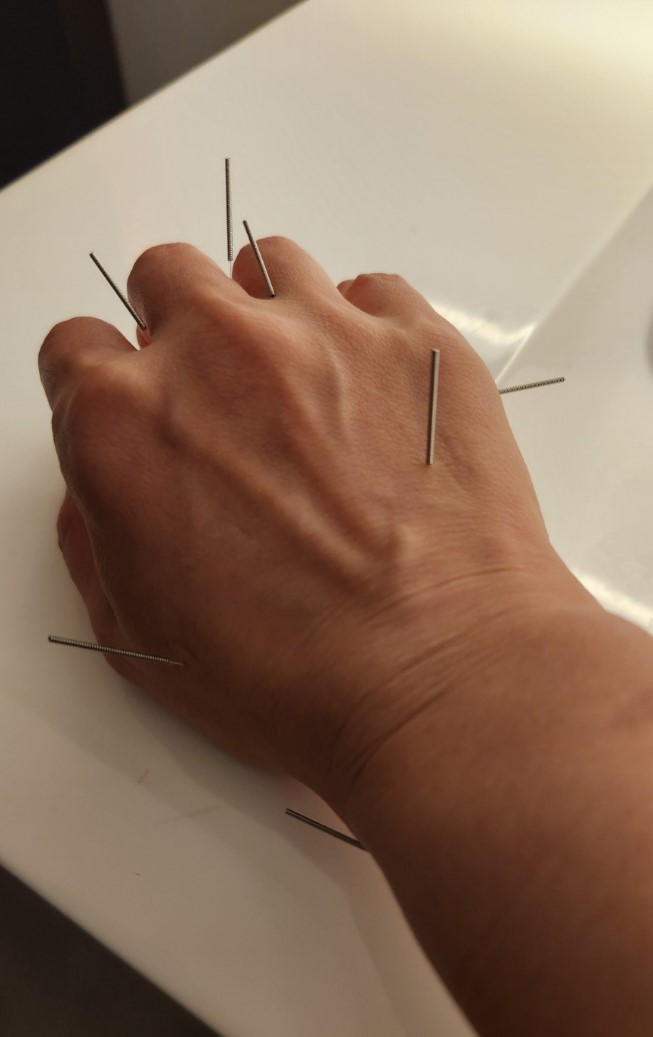
Classic acupuncture care option
Classic Acupuncture

For pain relief, circulation, and overall regulation.

Electro-acupuncture care option
Electro-Acupuncture

For deeper stagnation, nerve pain, and stubborn tension.

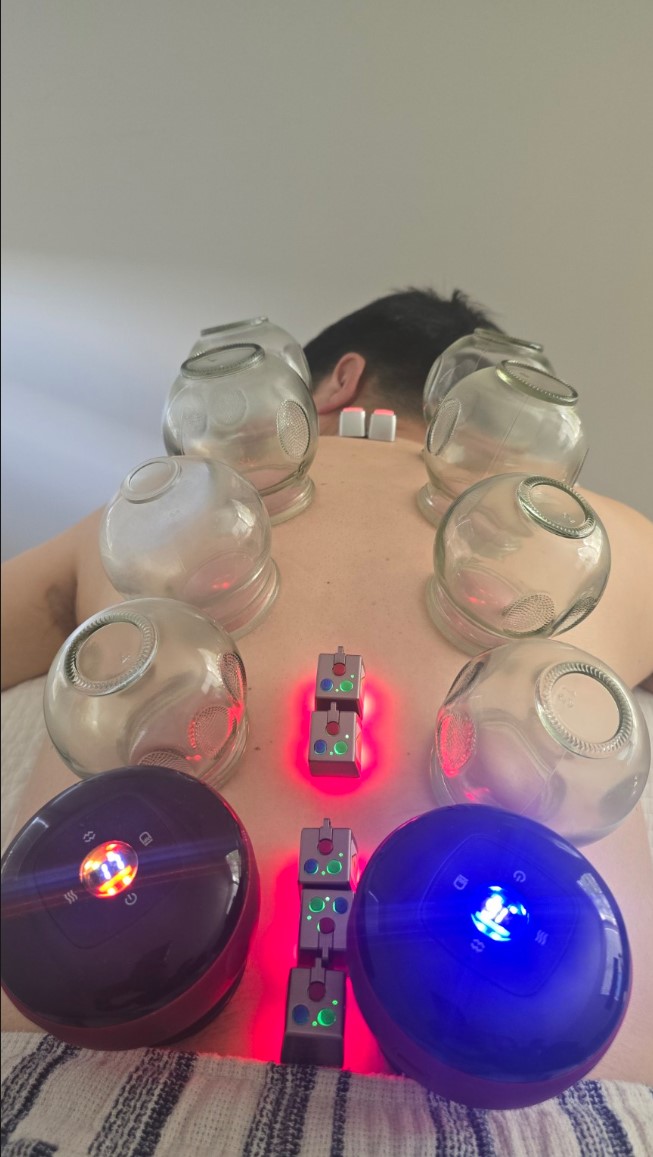
Medical cupping care option
Medical Cupping

For tight tissue, local stagnation, and recurring flare-up zones.

Electro moxa support option
Electro Moxa

For cold, stiffness, and deeper warming support.

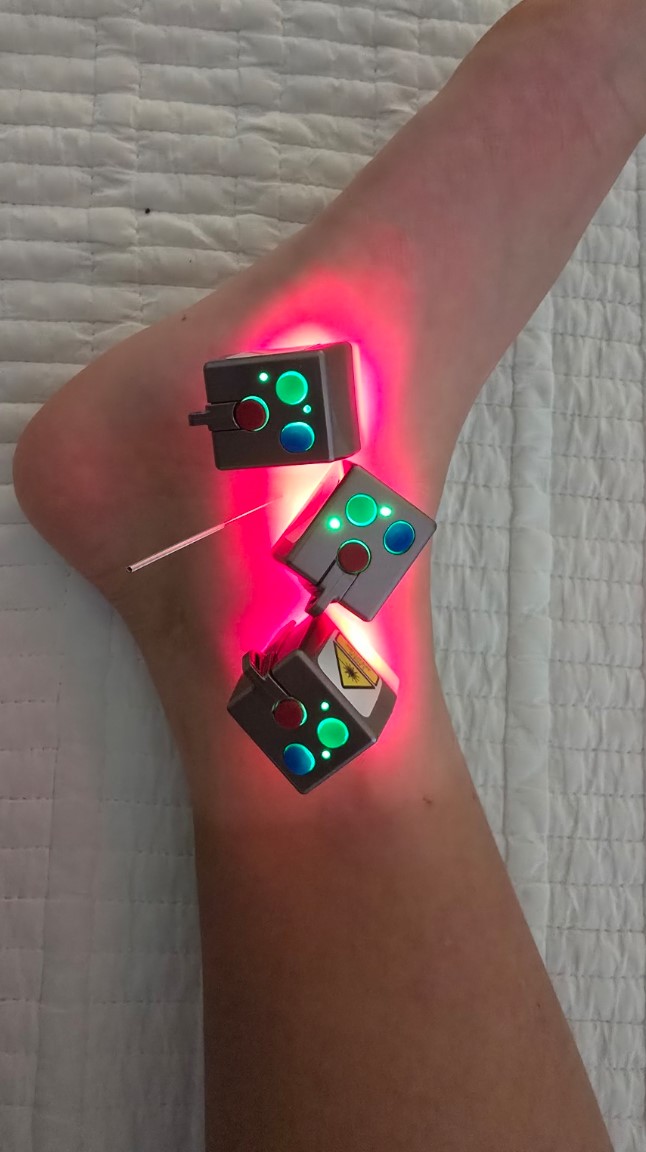
Light-based support option
Light-Based Support

For needle-free care, sensitive areas, and tissue recovery.

Red light therapy support option
Red Light Therapy

For inflammation control, circulation, and tissue repair.

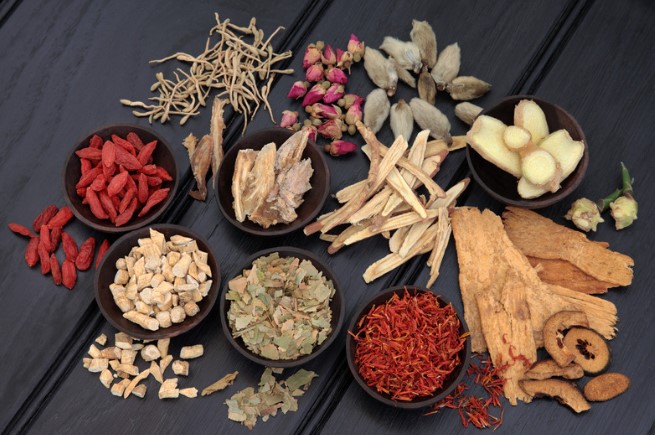
Natural medicine support
Natural Medicine

For deeper pattern support alongside hands-on care.

ACC-supported recovery care
ACC-Supported Care

For guided, subsidized support through the recovery process.

RootCare next step

Why do these symptoms keep coming back?

Use the free 10-minute Pattern Guide to understand the pattern picture underneath recurring symptoms, or book a visit and we'll guide you from there.