
Understand the rhythm
We clarify when sleep breaks down and what your body feels like at night.
Sleep / insomnia
Sleep problems are not only about switching the mind off. We look at whether the body can settle, whether Blood or Yin is anchoring the nervous system, and whether stress, heat, digestion, or tension is disturbing rest.
How RootCare treats this
We do not use one fixed protocol. Your plan is shaped by the symptom, the pattern underneath it, your sensitivity, and how your body responds between visits.
We clarify when sleep breaks down and what your body feels like at night.
Acupuncture or laser acupuncture may be used to settle the nervous system and reduce agitation.
If sleep is light because the body is depleted, treatment supports Blood, Yin, or Qi rather than forcing sedation.
We keep self-care simple so your night routine supports the treatment, not another task list.
Treatment may include
These are examples, not a menu you have to choose from. At your visit, we choose the most suitable combination for your body, comfort level, and stage of care.
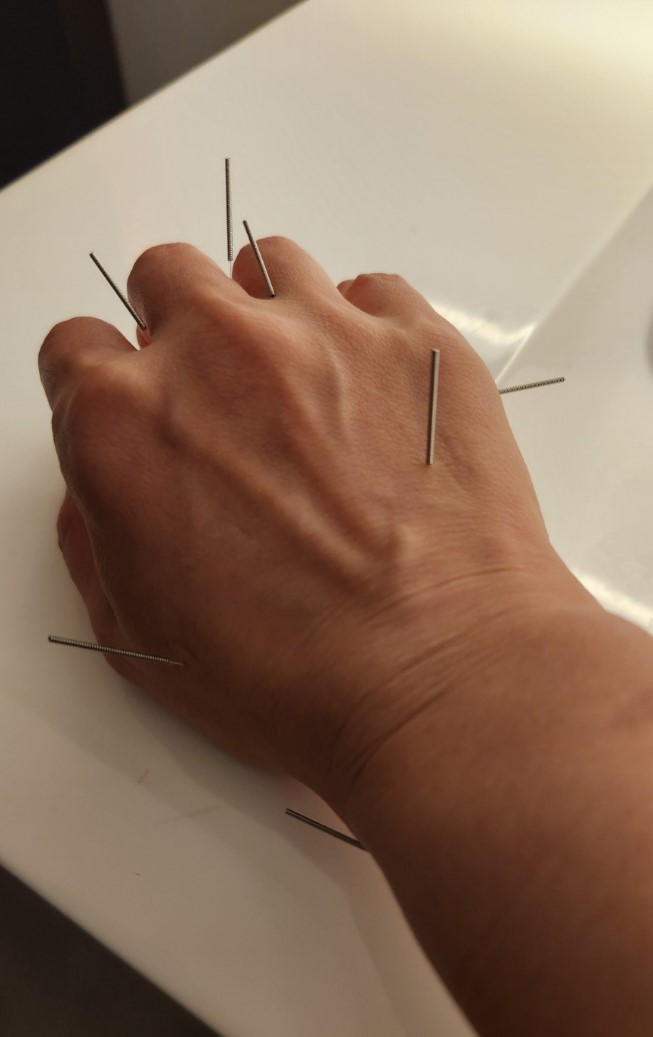
Supports nervous system regulation and sleep rhythm
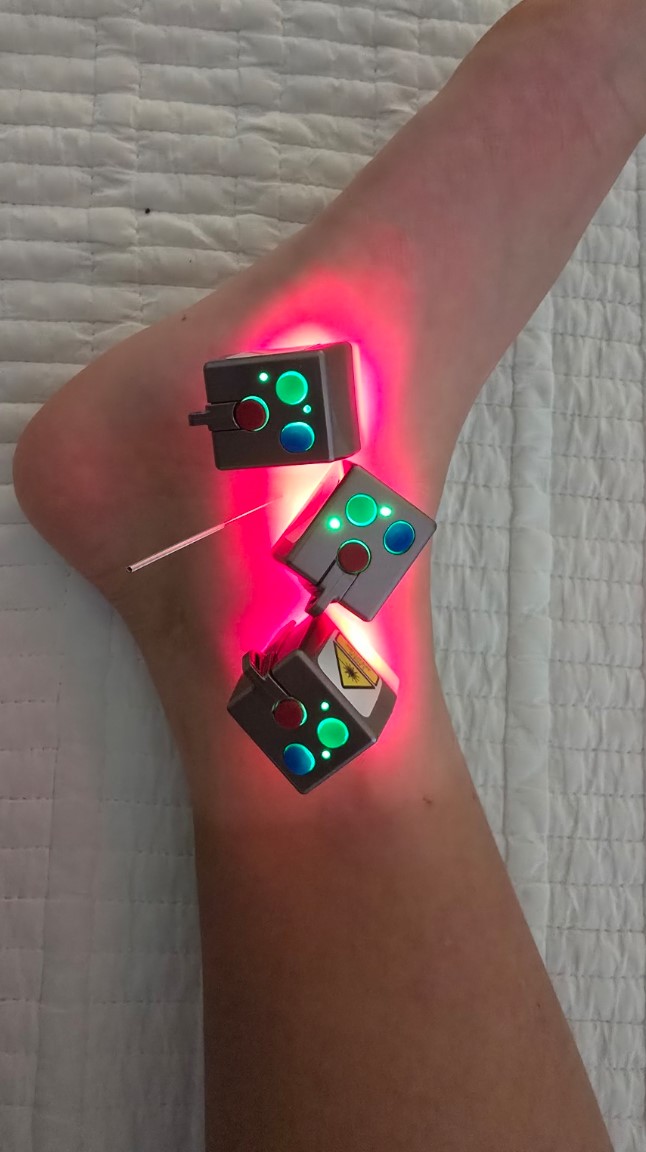
Needle-free support when the system feels sensitive or overstimulated

May help when sleep is linked with deficiency, heat, or digestive patterns
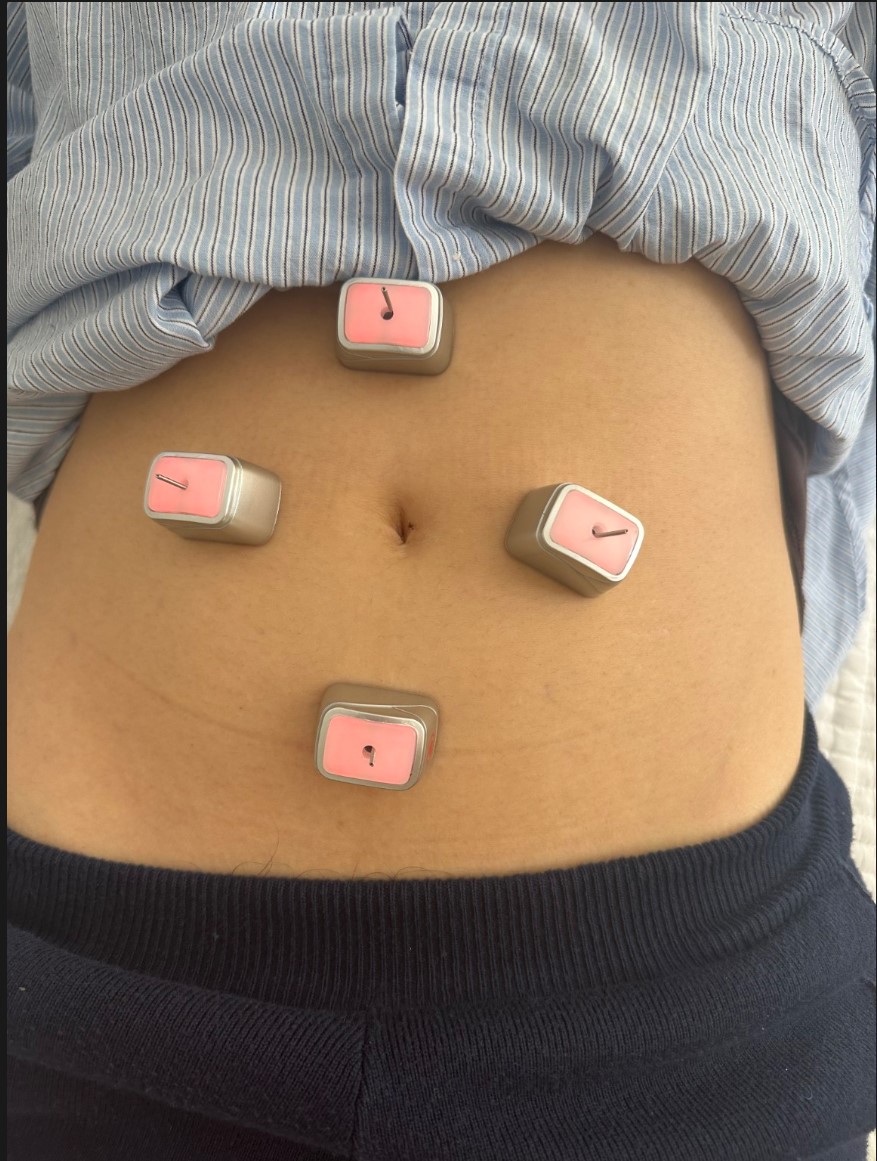
Used selectively when coldness or depletion keeps the body unsettled
Common acupuncture points
Point selection depends on your exact presentation, palpation findings, and comfort level. These are common examples, not a fixed prescription.
Treatment timeline
Some people notice changes within a few sessions, while long-standing or complex patterns usually need a steadier course of care.
Acute or recent symptoms may respond faster. Chronic, recurring, post-viral, hormonal, or deeply depleted patterns often need more time because the body is rebuilding capacity, not just quieting a symptom.
Read more
For the deeper why behind this condition, you can read the related pattern guide.
Ready for the next step?
Book an in-person visit if you are ready for care, or start with the free assessment if you want a clearer first step.